The Enduring Appeal of Single Flower Line Art Design
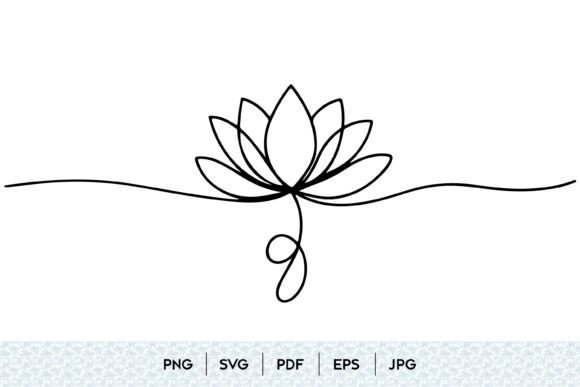
There's a certain quiet confidence in a single, continuous line that captures the essence of a bloom. It’s not about replicating every vein in a petal or the exact shade of green on a stem. Instead, Single Flower Line Art Design distills nature into its most fundamental, elegant form. This style isn't just a trend; it’s a timeless approach to illustration that speaks volumes through simplicity. For designers, creators, and business owners, understanding its power is about recognizing how minimalism can create maximum impact.
Visual Character and Instant Recognition
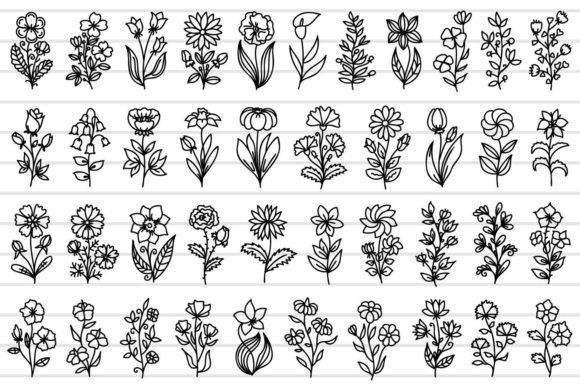
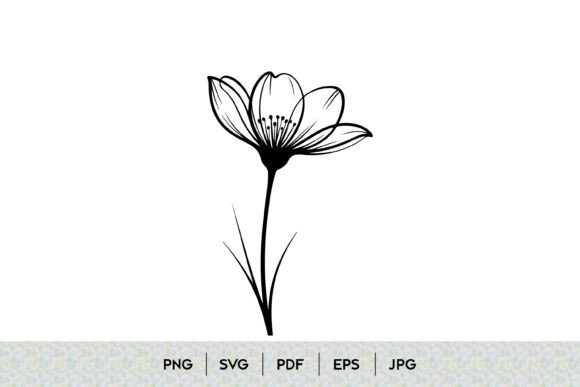
At its core, this design style is defined by its contour. The artwork is built from a single, unbroken path or a series of deliberate, flowing outlines. You’ll see the graceful curve of a petal, the gentle twist of a stem, and the subtle shape of a leaf, all rendered with a clean, modern aesthetic. The personality is undeniably minimalistic and organic, yet it carries an air of sophistication and intentionality. It feels both hand-drawn and precise, which is a difficult balance to strike. This botanical motif avoids visual clutter, making it instantly recognizable and memorable, whether it's used as a standalone icon or as part of a larger decorative composition.
Where This Design Truly Shines
The versatility of a single flower illustration is its greatest strength. In brand identity, it becomes the cornerstone of a logo that feels authentic and approachable, perfect for wellness brands, boutique florists, artisanal goods, or creative studios. For editorial design and publishing, it serves as a elegant chapter opener, a subtle page divider, or a refined graphic element that enhances without overwhelming the text. In the digital realm, it translates beautifully to web design as a favicon, a loading animation, or a subtle background pattern. For social media graphics, it offers a consistent, aesthetic visual thread that strengthens brand recognition across platforms. Don't overlook its power in packaging design—a simple floral outline on a box or label can communicate quality and care far more effectively than a busy, generic pattern.
Practical Guidance for Implementation
Choosing to incorporate a line art asset like this is just the first step. The real work is in evaluating how it fits your specific project. Always start by testing the provided files—SVG, PNG, EPS, JPG, and PDF—in your actual design environment. An SVG is perfect for scaling on the web without losing quality, while a high-resolution PNG with a transparent background is ideal for layering in print layouts.
When considering font pairing, this style has a natural affinity for clean, modern typefaces. It pairs wonderfully with a balanced sans serif font for a contemporary, airy feel. For a more classic or elegant contrast, try it with a delicate serif font. The key is to let the illustration breathe; avoid pairing it with overly ornate or handwritten fonts that might compete for attention. Think of the line art as a supporting actor that elevates the star of your show—your message.
Ensuring Professional and Commercial Use
Before finalizing any design, always review the licensing for your design assets. A truly premium font or illustration pack will come with clear terms for both personal and commercial use. This is non-negotiable for client work, merchandise, or any project intended for sale. Check if the license covers the scale of your intended use, whether it’s for a small blog or a nationwide product launch. The clarity here protects your work and your client’s investment, ensuring your project maintains its professionalism from concept to completion.
In the end, the Single Flower Line Art Design is more than just a clipart element. It’s a versatile design tool that leverages the power of simplicity to create elegant, engaging, and cohesive visual communication. By understanding its character and applying it thoughtfully, you can craft designs that feel both modern and enduringly natural.