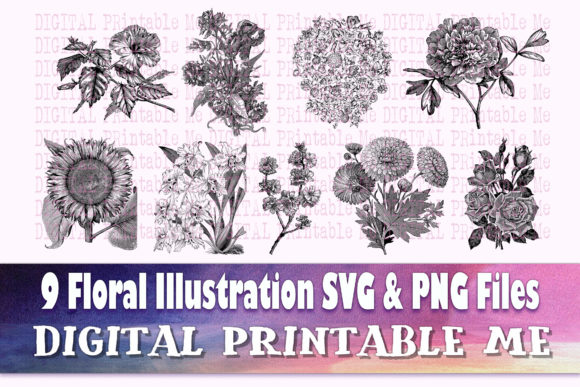
Floral Illustration Flower Drawing: Your Go-To Design Asset
Every designer, at some point, hits a creative wall. You’re working on a project that needs a touch of nature, a hint of elegance, or a burst of organic energy, but you can’t quite find the right visual element. This is where a well-curated Floral Illustration Flower Drawing bundle becomes less of a luxury and more of a practical necessity. It’s about having a versatile library of botanical art at your fingertips, ready to elevate a project from good to genuinely memorable.
More Than Just Clip Art: The Vintage Botanical Aesthetic
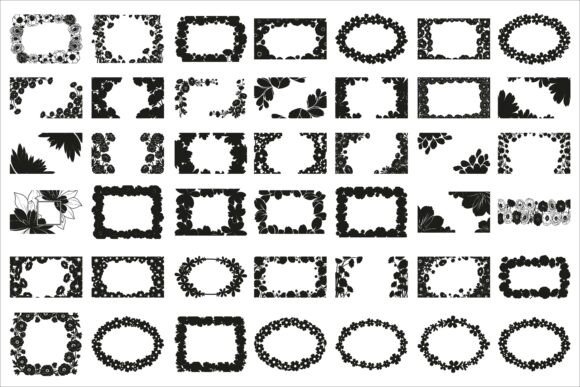
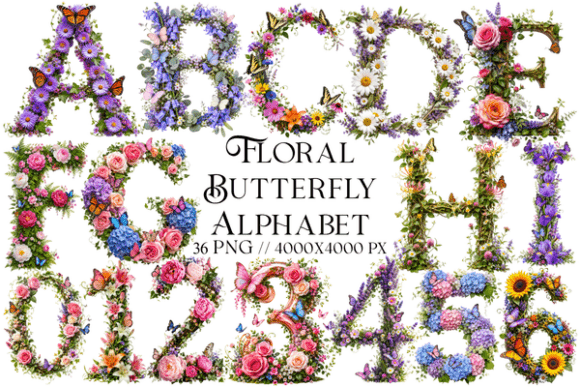
Forget the flat, generic flower graphics of the past. A quality Floral Illustration Flower Drawing collection, especially one with a vintage flair, offers something richer. Think of the detailed linework of a peony, the bold, graphic shape of a sunflower, or the delicate curves of a lily. These aren't just simple outlines; they are illustrations with depth, texture, and a sense of handcrafted artistry. The vintage style often implies a slightly muted color palette, intricate details that suggest engraving or etching, and a timeless quality that avoids looking trendy or dated. This gives the artwork a personality that is both sophisticated and warmly familiar, making it incredibly adaptable.
Where This Floral Style Truly Shines
The real value of a creative font or asset is measured by its applications. This particular style of botanical illustration finds a natural home in projects where brand perception and emotional connection are key. For a small business owner creating packaging for artisanal soaps or candles, these graphics instantly communicate quality, care, and a natural ethos. A wedding stationery designer can use them to craft invitations that feel both personal and professionally designed. The versatility is in the format—high-resolution SVG and PNG files mean the same peony illustration can be scaled for a tiny sticker on a planner or blown up for a backdrop at a birthday party without losing an ounce of clarity.
Consider the practical uses: sublimation printing on mugs and t-shirts, where crisp lines and bold shapes are essential. Or digital applications like social media graphics and blog headers, where a single, well-placed floral element can break up text-heavy content and guide the reader's eye. The included variety—peonies, lilies, sunflowers—allows for thematic consistency across a campaign or product line. You could use sunflowers for a summer marketing push and switch to elegant lilies for an autumn collection, all while maintaining a cohesive visual language rooted in the same artistic style.
Making It Work: Practical Guidance for Designers and Creators
Having the assets is one thing; using them effectively is another. The first step is always evaluation. Does the vintage botanical style align with your project's voice? It’s perfect for brands that want to appear approachable, artisanal, or connected to nature. It might feel out of place for a cutting-edge tech startup, but ideal for a boutique, a florist, a wellness blog, or a publisher of literary fiction.
Next, think about font pairing. This is where a Floral Illustration Flower Drawing element acts as a supporting player, not the main typographic voice. Pair it with a clean, modern sans serif font for body text to ensure readability and let the illustration be the star. Alternatively, combine it with a simple, elegant serif font for a more traditional, editorial feel in a magazine layout or book cover. Avoid pairing it with overly complex script fonts or handwritten fonts, as the competing details can create visual clutter and harm legibility.
Finally, always review the licensing. Since this is a commercial font and design asset bundle, confirm the terms cover your intended use, whether for personal crafts or commercial products for sale. Test the files in your specific software—Adobe Illustrator, Canva, Procreate—to ensure compatibility. Place the illustrations on your canvas, adjust the colors if the format allows (SVGs often do), and see how they interact with your text and other design elements. The goal is integration, not just decoration.
A Note on Visual Hierarchy and Engagement
In any design, visual hierarchy directs the viewer's attention. A strategically placed floral illustration can serve as a powerful focal point or a subtle frame. Using one to border a special offer on a website can draw the eye without using aggressive, salesy language. In packaging design, it can create a sense of unboxing delight. For social media graphics, it adds a layer of professionalism and aesthetic appeal that can increase engagement. The key is balance. Let the botanical art enhance your brand identity, not overwhelm it. When used thoughtfully, these illustrations become a signature element, making your work more recognizable and memorable in a crowded marketplace. It’s about leveraging a design asset to tell a more compelling visual story.